

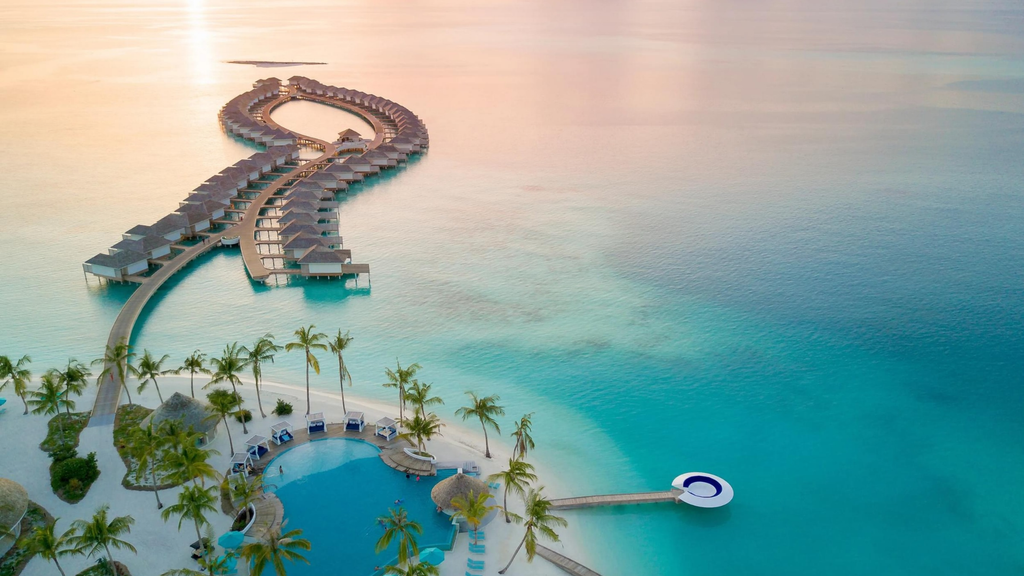
A second home is usually bought for what it promises: somewhere that is always yours, ready whenever you want to return.
What buyers sometimes underestimate are the ongoing costs and responsibilities that begin after the purchase.
Maintenance, utilities, property management, cleaning, repairs and rental coordination can all turn what was intended to be a lifestyle purchase into something that requires considerably more time and management than expected.
For buyers considering a second home abroad, those responsibilities can become even more noticeable when the property is thousands of kilometres away.
What Does a Second Home Really Cost to Maintain?
The purchase price is only one part of second home ownership.
Industry guidance from major US mortgage lenders commonly suggests allowing around 1 to 4 percent of a property's value each year for maintenance, depending on the age, location and condition of the home.
That can include air-conditioning servicing, appliance repairs, painting, landscaping, preventative maintenance and the general wear that continues whether the property is occupied or not.
Utilities may also continue throughout the year, particularly in warm and humid destinations where climate control and regular maintenance remain important even while a property is vacant.
None of these expenses necessarily produce an income.
They are simply part of keeping a second home ready for the next visit.
The Property Management Problem
Some second home owners choose to rent their property when they are away to help offset these costs.
That creates another consideration: management.
Someone needs to handle reservations, guest communication, housekeeping, maintenance requests, inspections and unexpected issues.
For a property located overseas, managing all of this personally can quickly become difficult.
Professional property management solves much of that problem, but typically introduces another operating cost. Depending on the market and the level of service involved, management fees for vacation rentals can represent a meaningful percentage of rental income.
The alternative is managing everything yourself.
And that can quietly turn a second home into a part-time job.
Why Coral Residences Works Differently
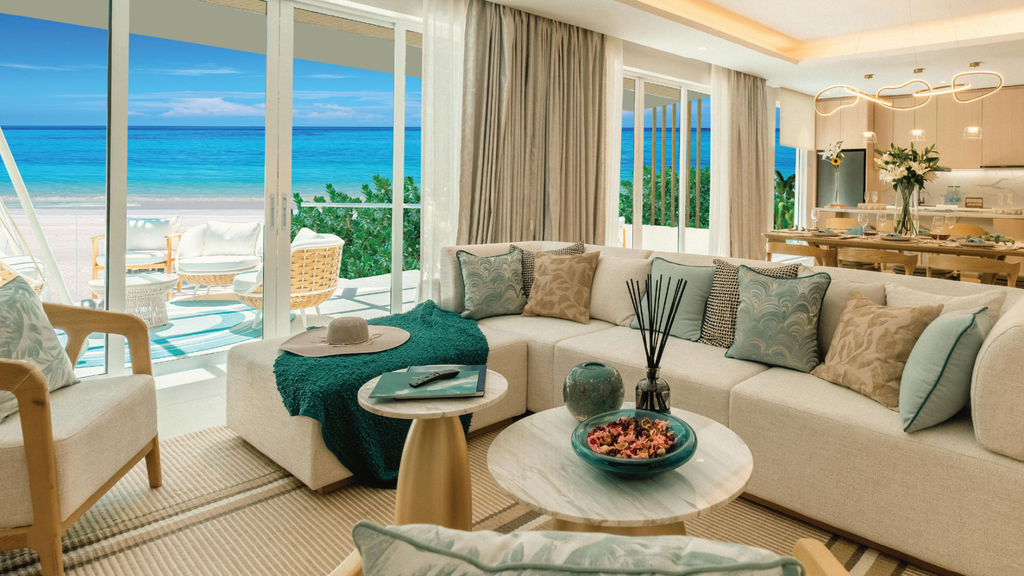
Coral Residences at Kandima Maldives has been structured differently from a conventional independently managed second home.
The residences sit within an established resort environment operated by Pulse Hotels & Resorts, meaning owners are not required to coordinate the day-to-day operation of their property remotely.
Maintenance, guest services and rental operations form part of the wider resort ecosystem already operating at Kandima Maldives.
For an international owner, that changes the experience considerably.
Instead of owning a standalone property and then having to build a management solution around it, the operational infrastructure already exists.
From Ongoing Cost to Potential Income
Traditional second home ownership usually involves paying to maintain an asset whether or not it is being used.
Coral Residences is designed around a different model.
Under the five-year return option, owners receive a guaranteed minimum cash return of 6 percent per year for the first five years, before moving into the property's ongoing revenue-sharing structure.
The principle is straightforward.
When the owner is not using the residence, the property does not simply need to sit empty while continuing to generate maintenance costs.
It can remain part of Kandima's professionally managed resort operation.
For buyers looking at second homes as both a lifestyle purchase and a real estate investment, that distinction matters.
What Does the Owner Still Keep?
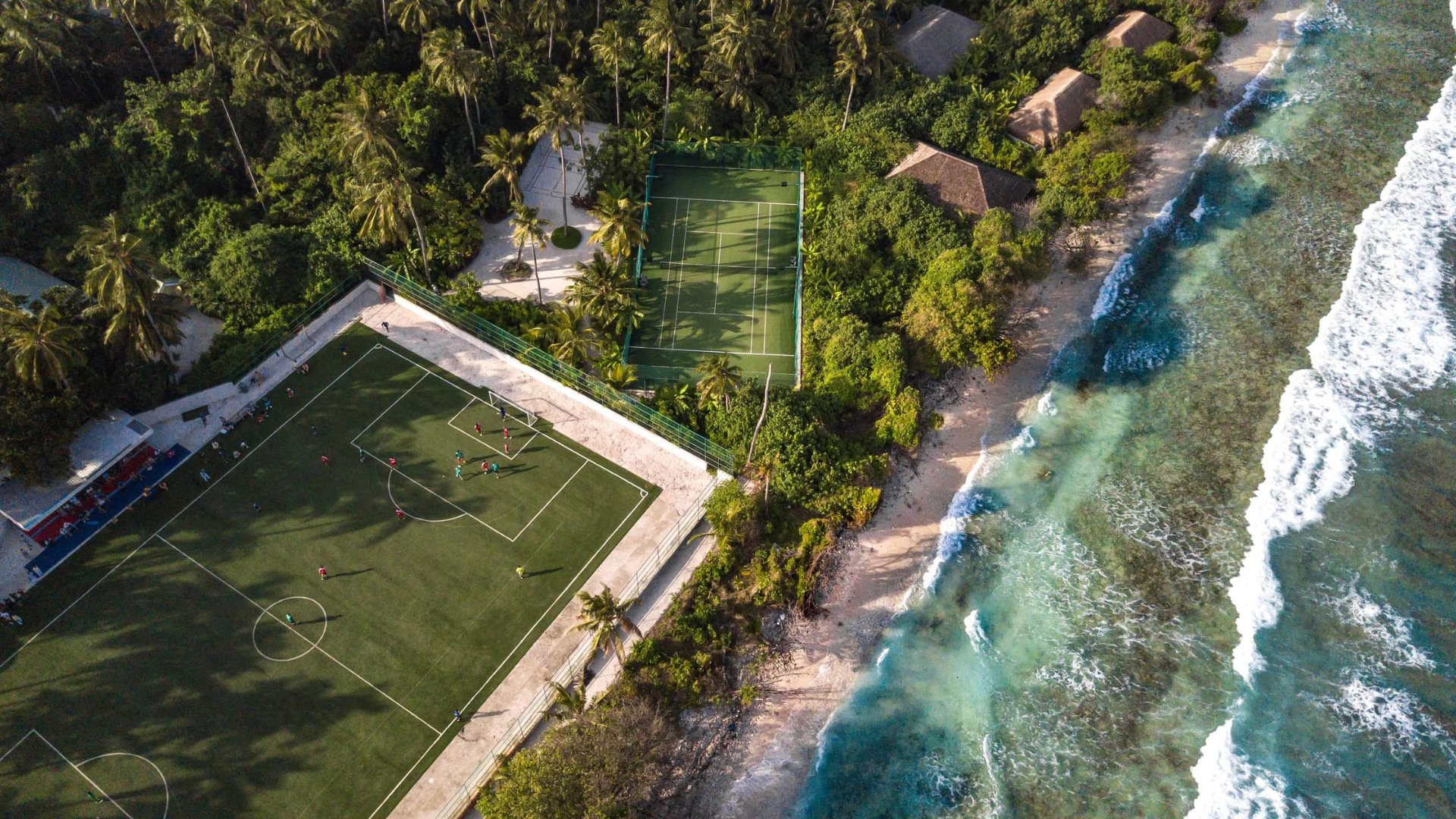
Professional management does not mean giving up personal use.
Owners at Coral Residences receive up to 30 nights of personal usage each year, including the opportunity to return to their own residence and enjoy Kandima as a second-home destination.
The difference lies in everything happening behind the scenes.
Maintenance does not need to be organised remotely.
Guest stays do not need to be personally coordinated.
The owner does not need to create a rental operation from scratch.
Instead, those responsibilities sit within an established resort business whose day-to-day operation already includes accommodation, housekeeping, guest services and resort management.
A Different Way to Compare Second Homes
When comparing second homes, it is easy to focus first on location, size, design and view.
But another question may be equally important:
What happens to the property when you are not there?
With a traditionally managed second home, the answer may involve ongoing maintenance, vacancy, management fees and personal coordination.
With a professionally managed resort residence, those responsibilities can be built into the ownership structure itself.
That is one of the fundamental differences behind Coral Residences.
It is not simply somewhere to stay in the Maldives.
It is a beachfront residence designed to function both as a personal second home and as part of an established resort operation.
For buyers who have owned a second home before, the value of having someone else manage everything around the property can be just as important as the property itself.
Discover a Different Approach to Second Home Ownership
Coral Residences combines beachfront living at Kandima Maldives with professional resort management, annual owner usage and a structured rental programme.
Explore Coral Residences and discover a different approach to owning a second home in the Maldives.
References
Rocket Mortgage, “What to Consider When Buying a Vacation Home”
AmeriSave, “Your Complete Guide to Buying a Vacation Home in 2026”
Abacus Wealth Partners, “What’s the Nightly Rate on Your Vacation Home?”
Mountain Luxury Real Estate, “The True Costs of Owning a Second Home”
Coral Residences, Official Ownership FAQ