

From the famous breaks of North Malé to the quieter waters of Dhaalu and the southern atolls, discover where to surf in the Maldives and when to go.
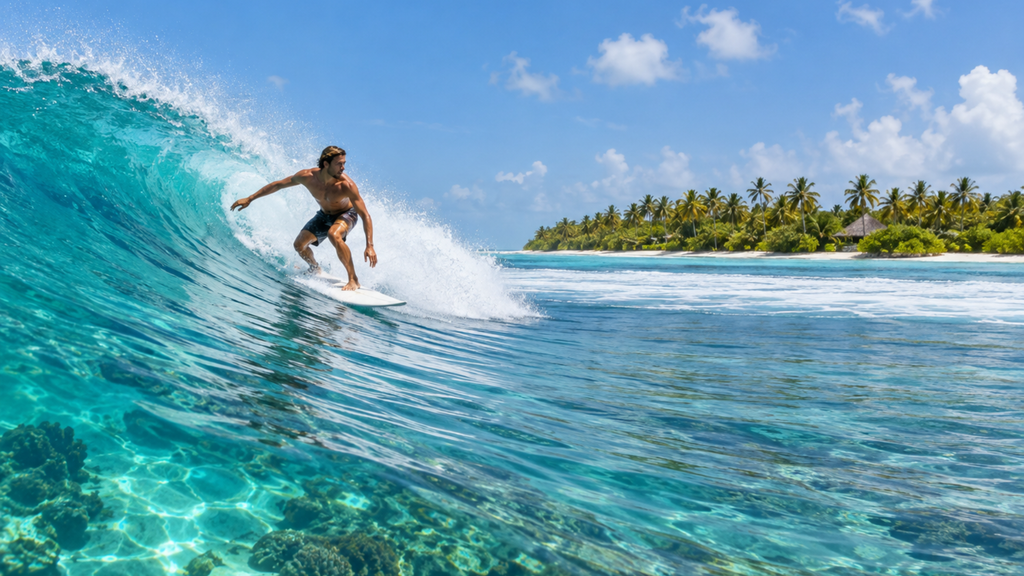
The Maldives may be best known for calm lagoons, white-sand beaches and water so still it barely seems to move. But beyond the reefs lies another side of the islands entirely.
Across 26 natural atolls and more than a thousand islands, swell direction, wind, reef shape and geography create very different surfing conditions from one region to the next.
Surfing is not new to Maldivian culture either. Forms of wave-riding existed in local island communities long before modern tourism, while the country’s international surf scene began developing more visibly during the 1970s.
For anyone interested in surfing in the Maldives, where you choose to stay can completely change the experience.
Some atolls offer established surf infrastructure and easy access to famous breaks. Others reward a little more effort with quieter water, fewer boats and a very different side of the archipelago.
North Malé Atoll: The Established Surf Scene
North Malé Atoll is the country’s best-known and most accessible surf region, with several established breaks located relatively close to one another.
Cokes, off Thulusdhoo, is a powerful right-hander known for its hollow sections, while nearby Chickens offers a long left that can work particularly well for intermediate and advanced surfers.
Further along the atoll, Lohis is one of the area’s best-known and more consistent left-hand breaks. Sultans, Honkys and Jailbreaks add to a concentration of surf spots that has made North Malé the centre of much of the Maldives’ international surf scene.
The advantage is accessibility. Resorts, surf operators and regular boat transfers make it relatively easy to move between breaks.
The trade-off is company.
North Malé is also the country’s most established surf zone, which means lineups can become considerably busier during popular swell periods.
South Malé Atoll: More Space, Different Waves
Travel further south and the surf begins to feel different.
Kandooma Right, directly off Holiday Inn Resort Kandooma Maldives, is a fast right-hander with two take-off sections.
Nearby, Riptides breaks through a channel and can be affected by strong currents, making it better suited to more experienced surfers.
Quarters offers two very different sections, including a gentler outside section that can suit newer surfers and longboarders in appropriate conditions, followed by a faster inside section as the wave develops.
South Malé gives surfers access to recognised waves without quite the same concentration of breaks and surf traffic found further north.
As everywhere in the Maldives, reef conditions, tides, wind and swell matter. Local guidance is always important before entering unfamiliar water.
The Central Atolls: Surfing in Dhaalu and Beyond
Further south, the Central Atolls offer another proposition altogether.
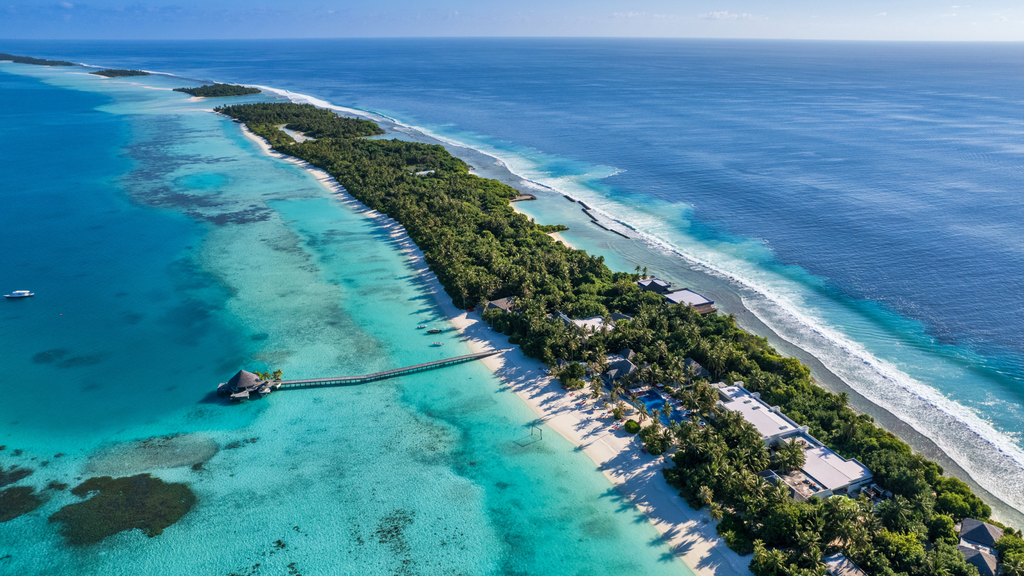
Areas including Meemu, Dhaalu, Thaa and Laamu are generally less densely developed for surf tourism than North Malé. For surfers willing to travel further, that can mean quieter lineups and a stronger sense of exploration.
Dhaalu Atoll, home to Kandima Maldives and Coral Residences, has its own recognised surf breaks.
Among them is Vodi, a left-hand reef break located at Niyama Private Islands. Kasabu, near Kudahuvadhoo, is a right-hander that can offer different sections depending on swell size. Surf guides also identify Hocus Pocus among the recognised breaks in the wider Central Atolls surf network.
Another locally recognised wave is Hadigillaa, near Kudahuvadhoo, the administrative centre of Dhaalu Atoll.
For visitors to Kandima, the geography is particularly interesting because Kudahuvadhoo is also home to Dhaalu Airport, one of the gateways used to reach the resort.
Kandima can be reached from Malé by seaplane, or via a domestic flight to Dhaalu Airport followed by a speedboat transfer to the island.
That places Coral Residences within an atoll where island life extends well beyond the traditional Maldives image of beaches and lagoons.
Surfing is simply another way to experience it.
The Southern Atolls: For Surfers Looking Further
Continue south and the experience becomes more remote.
The southern Maldives, including the Huvadhoo region, is known for a collection of established surf breaks spread across a much less densely visited part of the country.
Well-known names include Beacons, Tiger Stripes, Castaways, Blue Bowls, Five Islands, Two Ways, Love Charms and Antiques.
Reaching many of these breaks takes more planning than surfing around Malé. Domestic flights, local transfers and dedicated surf charters can all form part of the journey.
For some surfers, that is precisely the appeal.
Less convenience can also mean fewer people in the water.
When Is the Best Time to Surf in the Maldives?
There is no single surf calendar that applies perfectly to every atoll.
Broadly, the Maldives surf season extends from around mid-February to November, although conditions vary significantly by location, swell direction and local weather.
Many surf operators focus heavily on the core months between approximately April and October, while the months on either side can still offer good conditions depending on the atoll.
That is why researching the specific region matters.
A month that delivers ideal conditions in one part of the country may produce a very different experience somewhere else.
For travellers whose main purpose is surfing, local swell forecasts and specialist guidance should always take priority over a general Maldives seasonal calendar.
Getting to the Waves
Access varies almost as much as the surf itself.
In North and South Malé, many well-known breaks can be reached by relatively short boat transfers, supported by resorts and established surf operators.
Further into the Central and Southern Atolls, journeys may involve domestic flights, speedboats, day charters or multi-day surf trips.
Dhaalu offers an interesting balance.
It has its own airport infrastructure and established resort connections while still sitting away from the country’s most concentrated surf tourism zones.
For owners and guests at Coral Residences at Kandima Maldives, that means the wider destination offers considerably more than the view from the shore.
One morning could begin underwater.
Another could begin on a board.
And another might involve doing absolutely nothing at all.
That is part of what makes owning a home within an established island destination different from simply visiting one.
Discover More of Island Life
From surfing and diving to dining, watersports and days spent doing very little at all, Kandima offers a different rhythm every day.
Explore Coral Residences at Kandima Maldives and discover what it means to own your place within it.